Metabolic Psychiatry Targeting Metabolic Dysregulation in Mental Health
Received: 20 December 2024
Accepted: 16 February 2026
Published online: 30 March 2026
Shebani Sethi 1 , Michael Berk 2,3,4,5,6 ,Ana Cristina Andreazza 7,8 ,Lilianne Rivka Mujica-Parodi9,10,11,12,13 ,Iain Campbell14 ,Harry Campbell15 ,Calogero Longhitano16,17,18,19 ,Natalie Rasgon1, Jeff Volek20 ,Cynthia Victoria Calkin21 ,Judith Ford22,23 ,Robert McCullumsmith24,25 ,Stephen Cunnane26 ,Timur Liwinski27 ,Dominic D’Agostino28 ,Mark Frye29 & Zoltan Sarnyai 18,19
Systemic metabolic abnormalities including insulin resistance, lipid dysregulation, mitochondrial dysfunction and inflammation are highly prevalent in psychiatric illness and may contribute to increased mortality, illness severity and treatment resistance. This Review synthesizes current evidence linking systemic and central metabolic dysfunction with mental health outcomes across disorders. We highlight bidirectional interactions between brain function and metabolic state, and examine how psychotropic medications, stressors and disease mechanisms contribute to metabolic burden. In turn, we discuss how systemic dysfunction may impair brain structure and function. We review emerging metabolism-based interventions used in psychiatry, including pharmacologic agents (metformin, glucagon-like peptide-1 agonists and pioglitazone), lifestyle strategies (intermittent fasting, ketogenic metabolic therapy and exercise) and theoretical models (mitochondrial dysfunction, ‘allostatic load model’ and ‘selfish brain hypothesis’). We summarize the interventions, their observed outcomes, and a ranked assessment of the current level of evidence and class of recommendation. This reflects that some metabolic-based approaches show promising results from clinical studies while other emerging strategies remain too preliminary or inconsistent to draw conclusions, underscoring the need for further trials in humans. We conclude by briefly discussing practical and safety considerations, identifying limitations in the current literature, and propose future directions for building a more integrated model of mental and metabolic health.
Individuals with psychiatric illness face a 10- to 20-year reduction in life expectancy1, much of which is attributable to cardiometabolic disease as opposed to suicide2. This excess mortality stems from a complex interplay of biological, behavioral and systemic factors, including reduced access to somatic care, side effects of psychotropic medication and intrinsic disease-related metabolic dysregulation3. Historically, these comorbidities were viewed as parallel processes4. However, increasing research suggests a deeper mechanistic overlap and shared pathogenic metabolic alterations between systemic metabolic dysfunction and mental illness5,6.
Early biomarker research in psychiatry, dating as early as the 1920s, identified metabolic abnormalities such as reduced oxygen consumption, elevated lactate and lowered glutathione in psychosis and schizophrenia (SZ), suggesting impaired energy metabolism. Although initially dismissed, these findings foreshadowed modern evidence of mitochondrial dysfunction and hypometabolism observed through neuroimaging and biochemical studies across major psychiatric conditions. Contemporary research now recognizes shared mitochondrial and metabolic abnormalities in conditions such as SZ, bipolar disorder (BD) and autism, linking them to oxidative stress, inflammation and energy deficits. This renewed focus on mitochondrial function has spurred metabolism-based treatments, including ketogenic diets and mitochondrial-targeted therapies, validating the early insights once forgotten7
Recent models indicate a bidirectional framework. On one side, systemic metabolic conditions such as type 2 diabetes mellitus (T2DM), insulin resistance (IR), dyslipidemia and obesity increase the risk for depression, psychosis and bipolar illness. On the other side, psychiatric conditions via hypothalamic–pituitary–adrenal (HPA) axis hyperactivity, sleep disturbances, neuroinflammation and medication effects may drive systemic metabolic deterioration5,6. Understanding these interactions is essential to identifying therapeutic targets that simultaneously address mental and metabolic health. Central pathological characteristics of neuroinflammation, cerebral glucose hypometabolism, oxidative stress, mitochondrial dysfunction and insulin signaling changes are seen in neurodegenerative conditions such as epilepsy, Alzheimer’s disease, Parkinson’s disease and Huntington’s disease, but these metabolic alterations are also seen in psychiatric disease5. The mechanistic role of metabolic dysfunction in psychiatric disease is probably multifactorial, with genetic, stress and trauma, lifestyle, and treatment-related contributions.
We propose that metabolic psychiatry—a subfield integrating insights from endocrinology, neuroscience, psychiatry and immunology—can provide a lens for examining psychiatric illness. By exploring how systemic and central metabolic abnormalities influence brain function and behavior, this Review aims to build a bridge between psychiatric symptoms and somatic processes.
Systemic metabolic abnormalities across psychiatric disorders
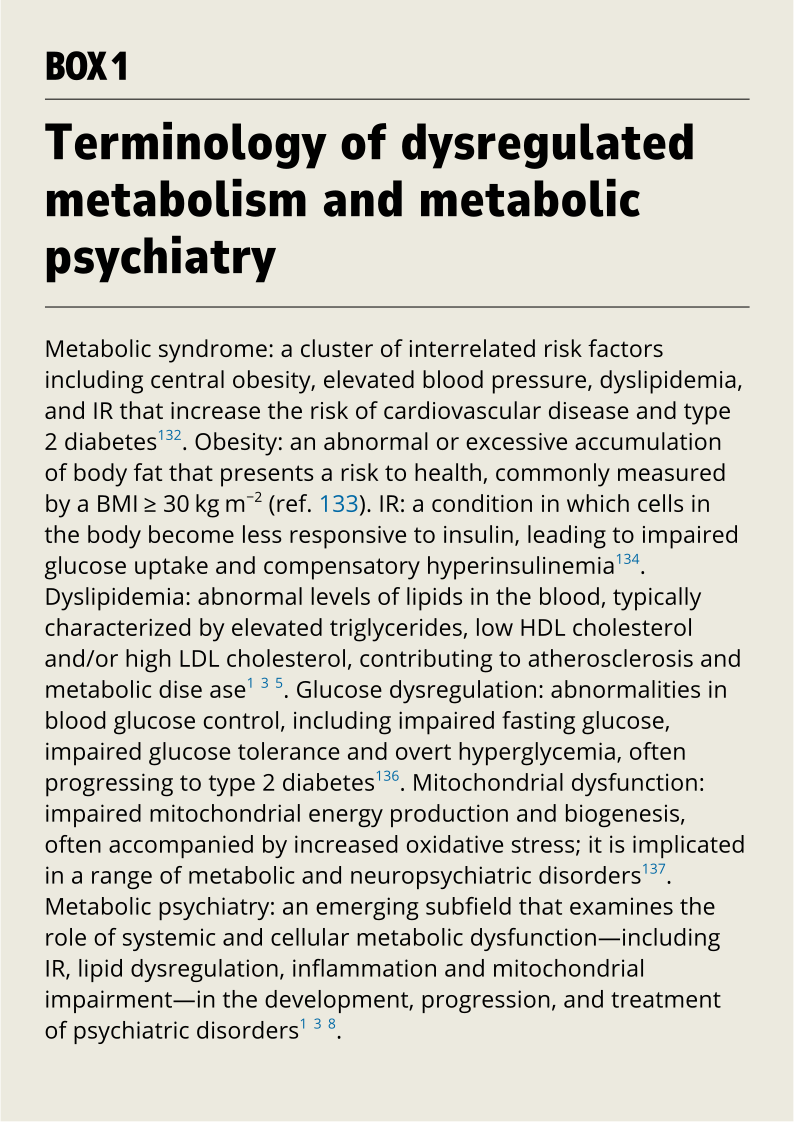
Dysregulated metabolism (Box 1) is involved in the pathophysiology of major psychiatric disorders, including SZ, BD and major depressive disorder (MDD)8. Metabolic syndrome is seen in approximately 37% of adults with BD, and abdominal obesity is observed in 35% of men and up to 75% of women, much higher than rates in the general population9. The prevalence of obesity among individuals with SZ is greater than in the general population (58.5% versus 27%) and has reached epidemic proportions among individuals with BD (nearly twofold age-, race- and sex-adjusted increased risk in BD versus controls)10. About 20–30% of depressed individuals have significant immunometabolic dysregulations, including systemic low-grade inflammation with elevated levels of inflammatory marker (that is, C-reactive protein (CRP), cytokines and glycoprotein acetyls), and metabolic dysregulations such as obesity, dyslipidemia, and insulin and leptin resistance11. Although the majority of metabolic research has focused on serious mental illness, emerging data suggest that systemic metabolic abnormalities also play a role in anxiety disorders12, post-traumatic stress disorder13, substance-use disorders14 and eating disorders15. Common features include IR, altered lipid metabolism, low-grade inflammation and mitochondrial dysfunction.
Glucose dysregulation and IR
IR and altered glucose–insulin dynamics are evident in individuals with first-episode psychosis, even before medication initiation16. Genome-wide association studies have demonstrated a link between insulin signaling pathways and BD, particularly within the insulin-like growth factor 1 gene17. In the Avon Longitudinal Study of Parents and Children, elevated fasting insulin levels in childhood predicted increased risk of psychosis and depression in adulthood. An escalation in body mass index (BMI) during puberty was linked to a greater risk of depression18. In BD, IR is associated with rapid cycling, suicidality and reduced treatment response. IR is also directly associated with BD severity, and blood–brain barrier leakage was identified as a biomarker of disease progression19. These negative outcomes may be due to an acceleration of changes in brain structure, age-related changes, as individuals with IR or T2DM exhibit a significant reduction in hippocampal and cortical gray matter compared with controls20. Similarly, individuals with chronic or treatment-resistant depression show higher rates of IR and hyperinsulinemia21.
Studies using oral glucose tolerance tests confirm that insulin sensitivity is reduced in psychiatric populations, particularly in those with poor clinical outcomes22. Some studies have also identified alterations in brain insulin receptor expression and signaling cascades, suggesting that central IR may accompany systemic dysfunction23,24. One proposed mechanism of IR in MDD suggests that it leads to increased levels of pro-inflammatory cytokines, which results in reduced levels of serotonin, neurogenesis and synaptic plasticity–physiological states25. IR is also associated with dysregulation of glucocorticoid production in the hypothalamic–pituitary–adrenal axis, an identified marker consistent with MDD26. Stress-induced or IR-related elevation of glucocorticoids, in turn, can damage hippocampal neurons by impairing their energy metabolism, resulting in hippocampal atrophy and associated cognitive–emotional changes27. Insulin signaling is necessary for neuroplasticity, central and systemic energy metabolism. Increased levels of insulin receptor substrate-1 in extracellular vesicles (L1CAM exosomes) have been found in individuals with MDD compared with healthy controls. These increased levels were associated with suicidality and anhedonia, symptoms of MDD26. Addressing glucose dysregulation alongside depressive symptoms within a metabolic psychiatry framework through interventions such as antidepressant medications, behavioral therapies, diabetes-specific treatments and neuromodulation may yield synergistic therapeutic benefits28.
Lipid dysregulation and adiposity
Dyslipidemia, defined as increased triglycerides, low high-density lipoprotein (HDL), or high low-density lipoprotein (LDL), is prevalent across psychiatric diagnoses29. In BD, the presence of metabolic syndrome correlates with increased depression severity and cognitive impairment. Obesity, particularly visceral adiposity, is associated with poorer clinical course and elevated pro-inflammatory cytokine levels such as interleukin-6 (IL-6) and tumour necrosis factor (TNF). In those who developed MDD, the insulin sensitivity and triglyceride/ HDL ratio were associated with depression severity, while only the triglyceride/HDL ratio was associated with depression chronicity30. This is supported by a cohort study that followed 601 individuals, with no previous history of depressive disorders, over 9 years and showed that participants with abnormal IR measures resulted in a greater incidence of developing depression31.
Excess adiposity, including secretion of pro-inflammatory cytokines and energy-related hormones, such as stress-induced glucocorticoids32, from visceral adipose tissue, has been proposed as a potential driver of psychiatric mood disorders3. Pro-inflammatory cytokines can alter tryptophan metabolism, leading to a reduction in serotonin synthesis and an increase in the production of neurotoxic metabolites33. Similarly, leptin serves as a hormonal regulator of energy homeostasis and may be dysregulated in conditions such as depression34, affecting synaptic plasticity in the hippocampus and potentially playing a role in mood regulation35.
Brainmetabolismfactors
Energydemandandproduction
A metabolically demanding organ, the brain, makes up only 2% of the body but consumes 20% of our energy intake36. Early brain development is bioenergetically very expensive, involving cell proliferation, migration, axonal and dendritic growth, synaptogenesis, and formation of functional neuronal circuits37. During adolescence, the higher glucose metabolism supports growth, synaptic proliferation and remodeling38. Normal synaptic communication requires constant formation and remodeling of dendritic spines and the synthesis, release and recycling of neurotransmitters, all of which are energetically expensive.
Glucose is the principal energy substrate in the brain, with other energy substrates including lactate and ketone bodies39. Adenosine triphosphate (ATP) is a high-energy molecule produced from glucose through glycolysis (the non-oxidative breakdown of glucose to pyruvate and lactate in the cytoplasm), the tricarboxylic acid (TCA) cycle, and oxidative phosphorylation in mitochondria37. Reversing ion movements that generate post- and pre-synaptic responses consume most energy from ATP40. Glucose is not only the major source for energy through ATP but also used for the biosynthesis of ribose to form ribonucleic acids, fatty acids and cholesterol. In addition, glucone protects against oxidative stress through the pentose phosphate pathway, while also aiding in the production of amino acids such as glutamate and subsequently GABA (γ-aminobutyric acid) through the TCA cycle and cataplerosis36. However, deficits in glucose and energy supply can impair key brain circuits, causing abnormal brain function and behavior41. Furthermore, circulating hormones such as leptin, insulin and thyroid hormones influence brain functions such as mood, memory and cognition42. According to a related body of research, neuropsychiatric illnesses are associated with major abnormalities in brain bioenergetics43. For example, about 20–30% of individuals with depression have significant atypical, energy-related depressive symptoms such as hypersomnia, fatigue, hyperphagia and possibly anhedonia11. Treating these bioenergetic imbalances may efficiently improve the outcomes43.
Micronutrientco-factorsandenergydeficits
Vitamins such as niacin, thiamine and vitamin D, and minerals such as magnesium and iron, are essential co-factors in enzymatic reactions and the functioning of the central nervous system44. Insufficient energy substrates compromise the brain’s function, affecting neuronal functions such as ion gradients for action potentials and synaptic transmission, and structural alterations such as atrophy and loss of synaptic connections. A chronic energy-deficient state results in vulnerability of the brain45. Proteomic analyses of postmortem brains reveal widespread disturbances in energy metabolism across psychiatric disorders, including 92 differentially expressed proteins in SZ, 95 in BD and 41 in MDD46. However, during an acute energy deficit such as fasting or low glucose availability, the brain activates adaptive responses, such as ketone body utilization, to maintain its health47. Moreover, a ketogenic diet has been demonstrated in animal models to modulate multiple pathological processes implicated in SZ, BD and MDD, including disruptions in carbohydrate metabolism, altered neurotransmission, mitochondrial dysfunction, inflammation, oxidative stress and changes in gut microbiota composition48.
Mitochondrialdysfunctionandpsychiatricdisorders
Mitochondrial dysfunction is a common mechanistic pathology affecting energy production, redox balance and apoptotic signaling. Defects in mitochondrial DNA, oxidative phosphorylation or ATP synthesis can affect both peripheral and central tissues, causing fatigue, anhedonia, cognitive slowing and metabolic dysfunction. Deficits in enzymes critical for glycolysis, the citric acid cycle and mitochondrial function can lead to altered ATP production, toxic metabolite accumulation and increased oxidative stress49. Mutations in mitochondrial DNA such as in mitochondrial encephalopathy, Leigh syndrome and Kearns–Sayre, can cause disordered mood, anxiety and cognitive symptoms. Glycolytic enzyme deficiencies such as pyruvate dehydrogenase complex deficiency can lead to lactate buildup, contributing to developmental delay, eventually causing autism and BD. Glucose-6-phosphate deficiency may cause oxidative stress, increasing the risk of BD and SZ50.
Non-invasive imaging techniques have shown significant decreases in creatine kinase activity in SZ, consistent with dysregulated ATP production51. Other studies have observed a deficient mRNA expression of gene clusters implicated in mitochondrial oxidative metabolism and ubiquitin–proteasome systems, including genes encoding lactate dehydrogenase A, NADH dehydrogenases, cytochrome c, succinate dehydrogenase and ATP synthases52. Increased brain lactate levels have been detected in vivo, associated with lower cognitive function in individuals with SZ53. Increased lactate levels, independent of age, sample pH, postmortem interval or confounding effects of neuroleptic treatment, have also been identified in postmortem analysis of the dorsolateral prefrontal cortex (DLPFC) in SZ54. Similar to BD, the pathophysiology of SZ may be caused by dysregulation of glutamatergic systems and neuronal energy deficit, which impairs the function of neuronal Na/K-ATPase and results in decreased action potentials and aberrant neurotransmitter release55.
Evidence suggests that altered bioenergetics may contribute to impaired synaptic activity and may further delineate the observed array of negative and cognitive symptoms of SZ56. Similar to BD, abnormal central and peripheral glucose utilization and cerebral glucose hypometabolism have been identified in SZ, with alterations in glycolysis and later phases of glucose oxidation in the brain8.
BD disorder is believed to be linked to mitochondrial dysfunction, with symptoms varying between mania and depression. Biologically, it is characterized by inadequate energy generation in depression and excessive energy generation in mania, a state-dependent dysregulation of mitochondrial energy generation57. A recent theory suggests metabolic overdrive in BD, involving upregulation of glycolysis and glutaminolysis, leading to heightened metabolism and excitatory activity, causing the subjective experience of mania58.
Abnormal gene expression of key glycolytic enzymes and dysfunctional enzymatic activity may lead to impaired metabolic processes in the brains of individuals with SZ. Decreased mRNA expression of hexokinase 1 (HK1) and phosphofructokinase 1 (PFKM), and glucose transporters (GLUTs) GLUT1 (also known as SLC2A1) and GLUT3 (SLC2A3) have been observed in pyramidal neurons in the DLPFC among individuals with SZ59. Key regulatory genes in glycolysis, including genes encoding the rate-limiting enzymes hexokinase, phosphofructo-2-kinase/fructose-2,6-bisphosphatase and pyruvate kinase, also fall within genomic regions associated with SZ risk in individuals of European descent8. The observed gene-level changes aligned with decreased hexokinase and phosphofructokinase activity suggest enzymatic dysfunction as a driver of bioenergetic alterations in SZ59.
Neuroleptic medication treatment leads to alterations in glycolysis and reduced gene expression of enzymes related to the malate shuttle, TCA cycle, aspartate–alanine shuttle and ubiquitin metabolism in the DLPFC60. Postmortem studies have also reported aberrant activity of TCA-cycle enzymes in the DLPFC of individuals with SZ, with reduced activity of aconitase, ketoglutarate dehydrogenase complex and succinate thiokinase in the first half of the TCA cycle, and increased activity of succinate dehydrogenase and malate dehydrogenase in the latter half of the TCA cycle61.
Chronic depression is linked to mitochondrial energy metabolism and protein deficits62. Acetyl-l-carnitine, a mitochondrial molecule with a crucial role in energy production and hippocampal function, is found at lower levels in individuals with depression compared with controls, and is found to be associated with severe depression and treatment resistance. However, those responding to antidepressant pharmacotherapy showed normalization of plasma acetyl-l-carnitine, suggesting that certain pharmaceuticals can reverse metabolic and mitochondrial disruption in depression63.
Directionalityandmechanisticmodels
Two leading frameworks (Box 2) of allostatic load and selfish brain attempt to explain the bidirectionality between systemic metabolism and mental illness (Fig. 1). The ‘allostatic load model’ posits that chronic psychological, environmental and internal stress leads to cumulative wear and tear on the body’s regulatory systems71, impairing metabolic, immune and endocrine resilience that links to systemic comorbidities associated with psychiatric disorders72. Expanding on this, the allostatic triage model of psychopathology posits that psychiatric, cardio-metabolic, and immune disorders are highly comorbid and exacerbated by psychological stress, framing these associations through a bioenergetic lens: stress increases energy demands on systems with finite resources, particularly the brain, which reallocates energy via ‘allostatic triage’ to prioritize immediate survival. Chronic or traumatic stress can dysregulate mitochondrial and neural networks, producing energy scarcity,
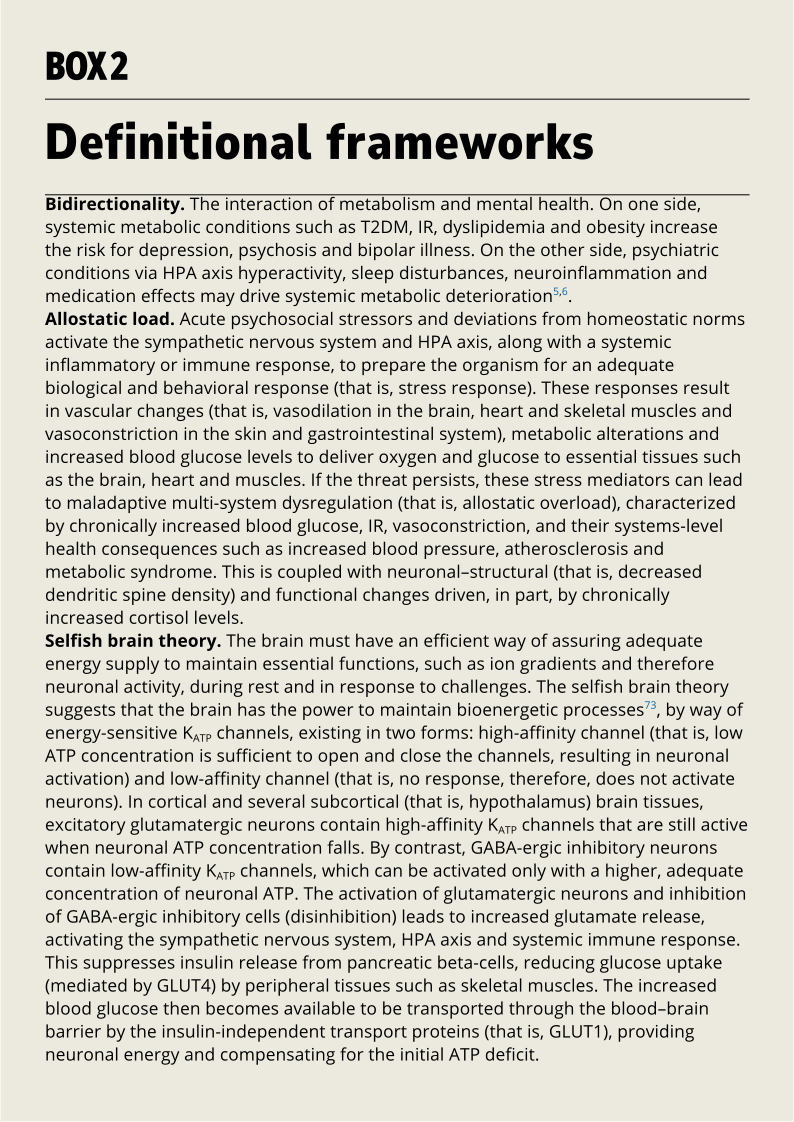
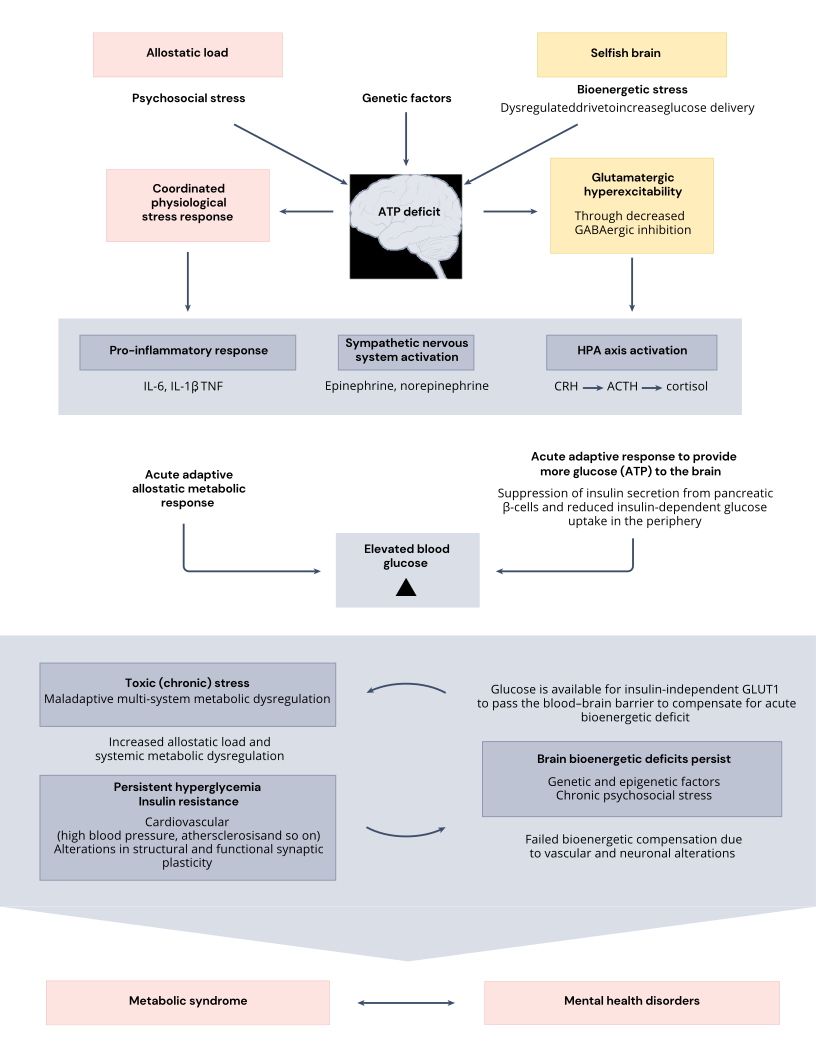
Fig. 1 | Interactions between the allostatic load model and selfish brain theory to ensure adequate energy supply. The chronic activation of the selfish brain and allostatic load systems can lead to detrimental alterations. The selfish brain mechanism tries to deliver more glucose to the brain, but this leads to a constant ATP deficit due to genetic and epigenetic factors (that is, psychiatric susceptibility genes, polymorphisms, copy number variations) and increased allostatic load (that is, mitochondrial ATP production deficits). The resulting chronic hyperglycemia contributes to IR in concert with the allostatic load pathways that continue to be over-
activated, driving hyperglycemia and resulting IR, along with the vascular effects (that is, vasoconstriction). As a result, the selfish brain mechanisms will no longer be able to deliver the required amount of the energy substrate to the brain. These mutually maladaptive changes in the allostatic load and the selfish brain mechanisms may together contribute to the development of mental health disorders and the frequently observed metabolic comorbidities. See Box 2 for more detail on allostatic load and selfish brain theory. ACTH, adrenocortitropic hormone; CRH, corticotropin- releasing hormone.
affective dysregulation and maladaptive triage, which may entrench psychiatric symptoms through neuroplastic canalization73. In parallel to that, the ‘selfish brain theory’ suggests that the brain, under perceived threat or in response to underlying bioenergetic impairments, prioritizes energy availability for itself by altering peripheral glucose allocation74,75, potentially triggering stress-system overdrive and allostatic load76 that may cause IR and catabolic states, eventually increasing the risk of myocardial infarction, stroke or T2DM77. The bioenergetic dysfunctions could therefore be either the cause or the consequence of the associated systemic or peripheral metabolic pathologies.
Psychotropic medications and metabolic burden
It is widely known that pharmacologic treatments for psychiatric illness often exert metabolic side effects, but they may additionally contribute to the underlying dysfunction itself. The Lancet Psychiatry Physical Health Commission emphasizes that people with mental illness need holistic care, supporting both mind and body health. Neuroleptics, mood stabilizers and antidepressants lower population-level morbidity and mortality, but varying side effects across physiological systems can reduce quality of life and adherence, undermining treatment benefits78. Psychotropic medications have effects on peripheral tissues that go beyond their central nervous system targets, underscoring the importance of understanding this dual complexity. Psychiatric medications exert their effects on central and peripheral metabolism by influencing neurotransmitter systems, neuroplasticity, cellular signaling and gene expression. Atypical neuroleptics such as olanzapine and clozapine are associated with significant weight gain, IR and lipid abnormalities. A model of neuroleptics acting directly on insulin-sensitive peripheral organs, including pancreas, liver, muscle and adipose tissue, as well as the hypothalamic–liver circuit and directly on the hypothalamic nuclei responsible for central regulation of food intake and metabolism has been suggested79. The dual action of the central nervous system and periphery may result in amplified metabolic effects. Valproate may impart metabolic changes by affecting plasma insulin, triglycerides and body fat while decreasing HDL levels80. It may impair mitochondrial function by inducing carnitine deficiency, inhibiting oxidative phosphorylation and decreasing fatty acid oxidation81. Lithium, while generally weight-neutral, has complex effects on glucose metabolism through modulation of glycogen synthase kinase-3 (GSK-3) signaling. It is thought that lithium stabilizes mood in part by improving neuronal insulin signaling and glucose metabolism in the brain, specifically in hippocampal neurons and peripheral tissues82. Although psychiatric medications show marked metabolic side effects, some studies have shown that lithium and valproate can reverse markers of metabolic dysfunction in the brains of some individuals with BD, potentially through improvements in circadian regulation, insulin signaling or decreased inflammation82, highlighting that some agents may have dual effects.
Metabolism-based interventions
If systemic and central metabolic dysfunctions contribute to the core pathophysiology of psychiatric disorders, successful metabolism-based interventions would offer ‘proof of concept’ conceptually for metabolic psychiatry. According to a physical health commission, individuals with mental illness face cardiometabolic conditions at rates 1.4–2.0 times higher than the general population, with it accounting for 70% of deaths in those with severe mental illnesses. Addressing the risks through lifestyle interventions has been shown to not only improve physical health but also lessen psychiatric symptoms and enhance overall well-being 83.
The following section reviews preliminary data supporting the use and efficacy of various metabolic interventions in psychiatry. For further reference, see Supplementary Table 1 on select examples of metabolism-based interventions used in psychiatry. Many studies reviewed have limitations, and next-phase studies are ongoing. Taking a broad mechanistic view, Fig. 2 depicts the cellular-level impacts of various therapeutics that modulate metabolic functioning of the central nervous system.
Pharmacological approaches
Biguanides.
Widely used in T2DM, metformin improves insulin sensitivity and may also reduce depressive symptoms, particularly in treatment-resistant depression. Metformin has neuroimmunological, neuroplastic, neuro-oxidative and neuro-nitrosative effects in several psychiatric disorders. Mechanisms include glucose-lowering effects, effects on insulin signaling and effects on AMP-activated protein kinase. Treatment with metformin is effective in reversing IR in individuals with SZ84. Metformin also reversed IR in 50% of individuals with treatment-resistant bipolar depression in a small placebo-controlled study, and individuals who had improved insulin sensitivity also had significantly improved depressive and anxiety symptoms, measured by the Montgomery–Asberg Depression Rating Scale and the Hamilton Anxiety Measure Scale, respectively84. Metformin has shown beneficial effects in pre-clinical models of depression in some studies, but not all epidemiological studies are consistent85. Potentially by activating AMP-activated protein kinase, metformin enhances mitochondrial biogenesis and efficiency and glucose metabolism and reduces oxidative stress86. It crosses the blood–brain barrier, contributing to neuroprotection, and supports the TCA cycle by anaplerotic flux in astrocytes and glutamate utilization, thus alleviating metabolic stress in neurons and astrocytes87. Metformin may reduce lactate levels and decrease neuroinflammation by lowering pro-inflammatory cytokines such as IL-6 and TNF86. In a study including individuals with SZ-spectrum in modest sample sizes, metformin improved insulin sensitivity and normalized glucose metabolism, potentially contributing to improvements in mood and cognitive symptoms88.
Glucagon-like peptide-1 agonists.
Originally approved for diabetes and obesity, glucagon-like peptide-1 (GLP-1) receptor agonists such as liraglutide and semaglutide are under investigation for neuroprotective and mood-modulating effects. Preliminary trials in BD and binge-eating disorder show promise, although data in SZ are mixed. GLP-1 agonist medications cross the blood–brain barrier to target GLP-1 receptors in the brain appetite-regulating regions89. GLP-1 drugs modulate insulin signaling, specifically, the PI3K/AKT/mTOR pathway, enhancing autophagy and promoting neurogenesis90. Several pre-clinical and mechanistic studies (n = 278) along with clinical evidence (n = 96) have been reported on GLP-1s for cognitive disorders, substance-use disorders, psychotic disorders, mood and anxiety disorders, eating disorders and others91. For example, semaglutide and liraglutide were shown to lower the risk of dementia when compared with a placebo in a pooled study of three longer-term randomized controlled trials that followed 15,820 people with type 2 diabetes for up to 3.8 years92. Exenatide was found to have a favorable effect on obesity alone when compared with a placebo in a recent 26-week randomized controlled trial including 127 individuals with alcohol-use disorders93. A meta-analysis showed that in 398 individuals with SZ, treated with antipsychotic followed up between 12 and 24 weeks, the GLP-1 receptor agonists liraglutide and exenatide were superior to placebo for body weight, waist circumference, BMI and blood pressure94. One non-randomized open-label study demonstrated that in 19 individuals with MDD or BD, 4-week liraglutide improved a test of executive functioning (and possibly other cognitive measures)95 and increased fronto-striatal volumes96, partially mitigated by changes in BMI and IR. A placebo-controlled two-arm trial conducted to test the efficacy of liraglutide supplementation in individuals with stable bipolar illness with overweight or obesity found improvements in weight, hemoglobin A1c and binge-eating symptoms97. A retrospective cohort with patients having binge-eating disorder showed greater improvement in binge-eating-scale scores in patients treated with semaglutide alone than in those treated with standard treatments. Further improvement was observed in the group combining semaglutide with standard treatment98.
Glitazones.
Pioglitazone, a PPAR-γ agonist, has been shown to reduce inflammatory markers and improve depressive symptoms in some trials. Its effects on cognition and neuroinflammation are under investigation. Used as an antidiabetic agent, it has downstream impacts on lipid metabolism, adipocyte differentiation and insulin sensitivity99.
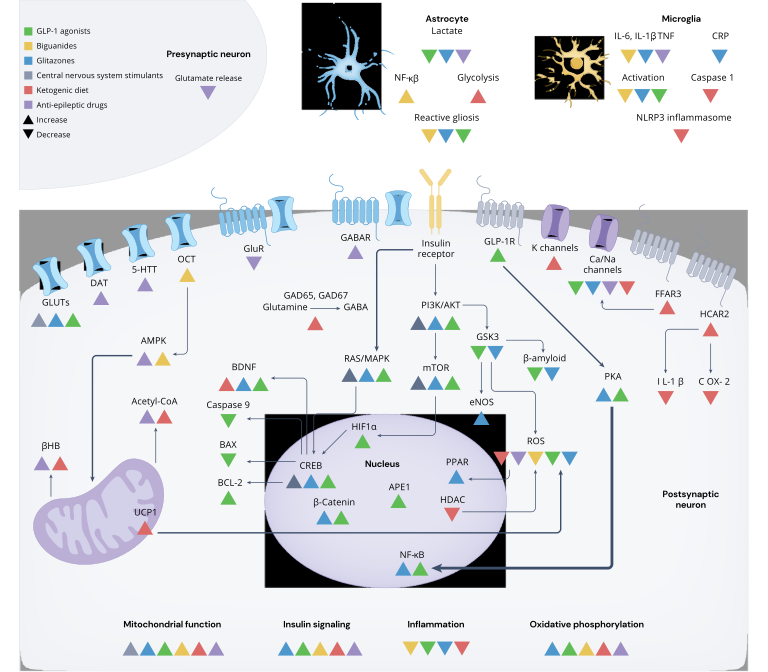
Fig. 2 | The cellular-level impacts of various therapeutics that modulate metabolic functioning of the central nervous system. These treatments broadly interact with receptors and transporters that are central to metabolic and neurohormonal signaling processes (G-protein-coupled receptors(GPCRs), GLUTs, insulin receptors, and so on). In addition, a portion of these treatments modulate intracellular signaling cascades and their associated downstream intranuclear effectors. These cascades include the nuclear receptor superfamily (peroxisome proliferator-activated receptor (PPAR)) and associated superfamily co-activators (CREB), as well as additional effectors involved in the WNT signaling pathway (β-catenin) and related apoptotic and inflammatory pathways (NF-κB, APE1). Through these regulatory pathways, these treatments modulate the transcription of proteins important in neuronal health, such as BDNF and the intrinsic inflammatory (NLRP3, caspase 1, IL-1β, IL-18)
and apoptotic (caspase 9, BAX, BCL-2) pathways. Also depicted are schematics of how these metabolic interventions interact with astrocytes and microglia: decreasing markers of aerobic glycolysis (lactate) and inflammation (NF-κB) in the glia-derived astrocyte and decreasing markers of inflammation (CRP, IL-6, TNF, and so on) in myeloid-derived microglia. Broadly, these treatments improve markers of mitochondrial function, insulin signaling and oxidative phosphorylation while decreasing markers of inflammation, potentially offering avenues to correct the immunometabolic dysfunction associated with severe mental illness. 5-HTT, 5-hydroxytryptamine transporter; DAT, dopamine transporter; FFAR3, free fatty acid receptor 3; GluR, glutamate receptor; HCAR2, hydroxycarboxylic acid receptor 2; OCT, organic cation transporter; ROS, reactive oxygen species.
The ability for the glitazone class of medications to affect the WNT/β-catenin, PI3K/AKT and RAS/MAPK pathways has been the focus of research assessing its potential as a therapy for psychiatric illness. These pathways are crucial for regulating glucose metabolism, synaptic plasticity and cell survival, contributing to improved cognitive function and neuroprotection4. Early clinical evidence suggests that the medication may reduce serum levels of inflammatory biomarkers (for example, CRP) and enhance the production of neuroprotective brain-derived neurotrophic factor (BDNF)100. A randomized double-blind placebo-controlled study with modest sample sizes investigated the effects of pioglitazone in individuals SZ and reported improvements in both metabolic parameters and Positive and Negative Syndrome Scale depression subscale scores99. By contrast, studies of pioglitazone and other agents with insulin-sensitizing properties, such as intranasal insulin and liraglutide, have shown limited improvement of neurocognitive symptoms in individuals with BD95. Interpreting the results of these studies is complicated by questions about whether therapy-associated changes in peripheral insulin sensitivity are reflective of insulin sensitivity in the brain101.
Non-pharmacologic approaches
Intermittent fasting.
Intermittent fasting has shown some benefit in glucose metabolism, ketone body production and BDNF upregulation. Early trials suggest mood and cognitive improvements, possibly via reduction in neuroinflammation and improved synaptic plasticity. Key effects induced by intermittent fasting include increases in ketone bodies, BDNF, GABA and gut microbiota102 along with an enhanced autophagy, improved insulin and leptin sensitivity, stimulated AMP-activated protein kinase, suppressed mTOR signaling pathway, strengthened mitochondrial function, and reduced oxidative stress and inflammation103. The cyclic metabolic switching theory states that intermittent fasting may be beneficial by causing cyclic switching of metabolism, in which eating (as with ketogenic diets) encourages cellular development and plasticity and fasting activates adaptive stress responses. This interplay—driven by ketone signaling, mitochondrial and autophagy–mTOR dynamics, hormones, microbiota and circadian rhythms—forms the cyclic metabolic switching theory, with broad research and clinical implications104. A study comparing the USDA Healthy Living (HL) diet for 7 days in a week versus the HL diet for 5 days crossed over to intermittent fasting for the rest of the 2 days in a week for 8 weeks among a sample of older adults has preliminarily substan- tiated the cyclic metabolic switching theory by reporting that both intermittent fasting and HL diets improved key brain-related metabolic markers, including neuronal insulin-resistance biomarkers, BrainAGE and magnetic resonance spectroscopy-measured brain glucose, while also enhancing peripheral metabolic health; however, the group switch- ing over to intermittent fasting observed roughly twice the reductions in BMI, weight and caloric intake compared with the HL-only group. Intermittent fasting also offered greater gains in executive function (especially higher-order skills such as strategizing and set-shifting) and reductions in sedentary behavior, benefits not seen in the HL group, despite similar effects on most brain health biomarkers105.
Ketogenic metabolic therapy.
Ketogenic metabolic therapy, popularly known as the ketogenic diet, is a low-carbohydrate, high-fat, moderate-protein eating pattern that results in a state of nutritional ketosis106. By shifting metabolism toward fat utilization and ketone production, ketogenic metabolic therapy bypasses impaired glycolysis and may improve mitochondrial function107. The principal ketone bodies released by ketogenic metabolic therapy are β-hydroxybutyrate and acetoacetate, and like glucose, they are also metabolized by the TCA cycle and oxidative phosphorylation to yield ATP108. Therefore, ketones can possibly be beneficial in these diseases, partly by bypassing cellular respiration deficits associated with impaired brain glucose metabolism and partly by restoring normal brain energy metabolism109. The associated improvements in neurochemistry, such as increased levels of GABA and reduction of glutamate, also induce mitochondrial biogenesis110. The ketogenic diet promotes astrocytic and neuronal active mitochondrial remodeling and transport, which can positively alter the cellular proteome structure111. Studies suggest that ketogenic diets may offer therapeutic benefits for psychiatric symptom severity among adults with type 2 diabetes, obesity, chronic pain and cancer112. Preliminary clinical case series and pilot trials in individuals with clinical diagnoses of mental illnesses have reported stabilization in mood and reduction in psychotic symptoms, although available results are in their infancy and have limitations. Next-phase studies are ongoing with improved quality methodologies. See Supplementary Tables 2 and 3 for a summary of completed or current studies of ketogenic metabolic therapy in psychiatry.
Mitochondrial transplantation.
Although experimental, studies in animal models and induced pluripotent stem cell-derived neurons suggest potential for mitochondrial transfer to reverse bioenergetic deficits in SZ. Recent results show the efficacy of isolated active normal mitochondria to reverse abnormalities in SZ-derived induced pluripotent stem cells and in SZ-like behaviors in a murine model of neurodevelopment113.
Physical exercise.
People with mental illness often have low physical activity and high sedentary behavior114, which are linked to poorer mental health115. Acute physical activity produces large increases in atrial natriuretic peptide and moderate increases in growth hormone in individuals with MDD. Chronic physical activity leads to small but significant increases in TNF, kynurenine and BDNF levels in adults with MDD. Aerobic exercise, alone or with strength training, shows large benefits in improving attention in attention deficit hyperactivity disorder (ADHD), reducing depressive symptoms across age groups and lowering BMI in SZ. Moderate benefits include reduced hyperactivity, impulsivity, and anxiety and improved executive/social function in ADHD; reduced anxiety in adults; better daily living skills, quality of life and fitness in SZ and depression; and improved cognition, mobility and mood in older adults with dementia and depression116. The World Federation of Societies for Biological Psychiatry117 and the European Psychiatric Association118 recommend using physical activity as an adjunctive treatment to improve symptoms of psychosis and cognition in adults with SZ, and depressive symptoms in adults with MDD. Factors such as the presence of a physical comorbidity, low self-efficacy, lack of social support, financial constraints, poorly trained staff, safety issues, sensory or behavioral dysregulation, lack of knowledge by patients about physical activity, side effects of medication, and lack of time may act as barriers in physical exercise in individuals with psychiatric disor- ders116. Together with nutrition, if feasible, physical exercise could be considered as a part of lifestyle psychiatry to manage mental illness119.
Integratedmodelsandunifyingtheories
Multiple mechanisms probably converge to produce the observed over- lap between metabolic and psychiatric symptoms. Inflammation, gluco- corticoid dysregulation, impaired neurovascular coupling and altered gut–brain signaling are under investigation. Mitochondrial integrity may serve as a biomarker and target for multi-system interventions.
Clinicalimplications
Integrating metabolic screening in psychiatric care.
Associations with poor outcomes in psychiatric disease have led some experts to suggest that screening for metabolic abnormalities such as IR, lipid dysregulation, inflammation and mitochondrial dysfunction should become a part of routine psychiatric care. Comprehensive evaluations, which could include screening for metabolic conditions such as T2DM (that is, glucose, insulin, HbA1c), dyslipidemia (that is, lipid panel), obesity (BMI, fast mass index, waist circumference, total body fat and visceral adipose tissue) and metabolic syndrome (waist circumference, serum triglycerides, high-density lipoprotein cholesterol, glucose and blood pressure), should be integrated into standard evaluation and care. Diagnoses of these metabolic abnormalities may predict poor psychiatric outcomes, and addressing these factors can improve quality of life and reduce mortality. Clinicians should also consider how psychotropic medications interact with systemic metabolism and whether metabolism-targeting agents may benefit certain subgroups.
Current state of evidence on metabolic interventions in serious mental illness.
Emerging evidence supports the role of metabolic interventions as adjunctive strategies in serious mental illness. We pro- vide a detailed overview and rank based on available evidence to date on the use of biguanides, GLP-1 receptor agonists, glitazones, intermittent fasting, ketogenic metabolic therapy and structured physical exercise in management of select conditions: SZ, BD, MDD and binge-eating disorder. Supplementary Fig. 1 summarizes the levels of evidence and a suggested class of recommendation for these interventions based on the Clinical Practice Guideline Recommendation Classification System developed by the American College of Cardiology and the American Heart Association Task Force120.
For complete details on studies and their outcomes highlighting the role of these metabolic interventions in serious mental illness, refer to Supplementary Table 1 on select examples of metabolism-based interventions used in psychiatry, and Supplementary Table 3 and Supplementary Fig. 1 on summary of level of evidence and class of rec- ommendations of metabolic interventions in serious mental illnesses.
Practical and safety considerations.
Special considerations are neces- sary when implementing metabolism-based interventions. Preliminary studies examining the safety profiles of metformin121, GLP-1 agonists94, glitazones122 and ketogenic diets123,124 suggest general tolerability; however, larger and more rigorous studies in populations with serious mental illness are warranted. For mitochondrial transplantation and physical exercise, there remains substantial scope for evaluating the safety of these metabolic approaches in psychiatric settings.
Concerns have been raised regarding potential associations between GLP-1 agonists and increased suicidal ideation or self-injurious behavior. Yet evidence from large-scale cohort analyses offers con- trasting results125, indicating that these psychiatric side effects may be confounded by factors such as the psychological impact of rapid weight loss, unmet treatment expectations or pre-existing psychiatric comorbidities126. Nevertheless, clinicians should exercise caution when prescribing GLP-1 agonists to individuals with mental illness, maintain- ing close monitoring of suicidal thoughts and behavioral cues.
Intermittent fasting should also be approached carefully. The interaction between fasting and negative urgency has been shown to predict binge-eating behavior127, and increased relapse rates have been reported among individuals with SZ and metabolic syndrome, as well as those with BD128. Personalized guidance and supervi- sion are therefore critical when implementing fasting protocols in psychiatric populations.
With respect to ketogenic metabolic therapy, gastrointestinal side effects such as constipation, nausea and reflux are typically transient and can often be mitigated through gradual carbohydrate reduction, adequate hydration, sufficient fiber intake from low-carbohydrate vegetables, and careful electrolyte management129,130. In older adults, vigilant monitoring is important to preserve bone health and muscle mass, thereby minimizing frailty; however, this is true for any treatment that can result in weight loss. Individuals with or at risk for eating disor- ders should be managed cautiously as data on safety in these popula- tions remain limited124,131. Regular follow-up, nutritional counseling and individualized dietary adjustments are key to enhancing adherence, safety and metabolic efficacy across diverse patient groups.
Overall, metabolism-based interventions underscore the ther-apeutic potential of targeting systemic and central metabolism to improve psychiatric treatment outcomes.
Limitations
This review is limited by the heterogeneity of psychiatric and metabolic conditions, the predominance of cross-sectional data and the lack of standardized biomarker protocols. Socioeconomic, cultural and behav- ioral confounds complicate interpretation. We caution against over- generalization and acknowledge the need for personalized approaches.
Conclusion
Metabolic dysfunction is not a peripheral concern in psychiatry: it is central to understanding disease burden and treatment response. While the field of metabolic psychiatry remains nascent, it offers a compel- ling framework to integrate brain–body research and clinical care.
Ironically, the oldest biomarker findings in psychiatry, almost a century old, highlighted metabolic abnormalities in SZ that were forgotten and have been rediscovered and re-validated. Future studies should prior- itize longitudinal designs, standardized metabolic phenotyping and mechanistic investigations to determine causal pathways. Embracing a metabolic lens may help close the mortality gap in psychiatric illness and unlock therapeutic strategies.
References
- Chesney, E., Goodwin, G. M. & Fazel, S. Risks of all-cause and suicide mortality in mental disorders: a meta-review. World Psychiatry 13, 153–160 (2014).
- Nielsen, R. E., Banner, J. & Jensen, S. E. Cardiovascular disease in patients with severe mental illness. Nat. Rev. Cardiol. 18, 136–145 (2021).
- Penninx, B. W. J. H. & Lange, S. M. M. Metabolic syndrome in psychiatric patients: overview, mechanisms, and implications. Dialogues Clin. Neurosci. 20, 63–73 (2018).
- Blázquez, E. et al. Significance of brain glucose hypometabolism, altered insulin signal transduction, and insulin resistance in several neurological diseases. Front. Endocrinol. 13, 873301 (2022).
- Nousen, E. K., Franco, J. G. & Sullivan, E. L. Unraveling the mechanisms responsible for the comorbidity between metabolic syndrome and mental health disorders. Neuroendocrinology 98, 254–266 (2013).
- Gao, X. et al. Genetic evidence for the causal relations between metabolic syndrome and psychiatric disorders: a Mendelian randomization study. Transl. Psychiatry 14, 46 (2024).
- Berk, M., Forbes, M. & Narayanaswamy, J. The history of biomarkers in psychiatry: lessons learned, lessons forgotten, lessons rediscovered. Br. J. Psychiatry 227, 437–438 (2025).
- Henkel, N. D. et al. Schizophrenia: a disorder of broken brain bioenergetics. Mol. Psychiatry 27, 2393–2404 (2022).
- Vancampfort, D. et al. Metabolic syndrome and metabolic abnormalities in bipolar disorder: a meta-analysis of prevalence rates and moderators. Am. J. Psychiatry 170, 265–274 (2013).
- Goldstein, B. I. et al. The burden of obesity among adults with bipolar disorder in the United States. Bipolar Disord. 13, 387–395 (2011).
- Penninx, B. Immuno-metabolic depression: from concept to implementation. Eur. Psychiatry 66, S11 (2023)
- Cen, M. et al. Associations between metabolic syndrome and anxiety, and the mediating role of inflammation: findings from the UK Biobank. Brain Behav. Immun. 116, 1–9 (2024).
- Michopoulos, V., Vester, A. & Neigh, G. Posttraumatic stress disorder: a metabolic disorder in disguise? Exp. Neurol. 284, 220–229 (2016).
- Vancampfort, D. et al. The prevalence of metabolic syndrome in alcohol use disorders: a systematic review and meta-analysis. Alcohol Alcohol. 51, 515–521 (2016).
- Yu, Z. & Muehleman, V. Eating disorders and metabolic diseases. Int. J. Environ. Res. Public Health 20, 2446 (2023).
- Perry, B. I., McIntosh, G., Weich, S., Singh, S. & Rees, K. The association between first-episode psychosis and abnormal glycaemic control: systematic review and meta-analysis. Lancet Psychiatry 3, 1049–1058 (2016).
- Pereira, A. C. P. et al. Genetic association and sequencing of the insulin-like growth factor 1 gene in bipolar affective disorder. Am. J. Med. Genet. 156, 177–187 (2011).
- Perry, B. I. et al. Longitudinal trends in childhood insulin levels and body mass index and associations with risks of psychosis and depression in young adults. JAMA Psychiatry 78, 416–425 (2021).
- Kamintsky, L. et al. Blood–brain barrier imaging as a potentia biomarker for bipolar disorder progression. Neuroimage Clin. 26, 102049 (2020).
- Hajek, T. et al. Insulin resistance, diabetes mellitus, and brain structure in bipolar disorders. Neuropsychopharmacology 39, 2910–2918 (2014).
- Fernandes, B. S. et al. Insulin resistance in depression: a large meta-analysis of metabolic parameters and variation. Neurosci. Biobehav. Rev. 139, 104758 (2022).
- Toalson, P., Ahmed, S., Hardy, T. & Kabinoff, G. The metabolic syndrome in patients with severe mental illnesses. Prim. Care Companion J. Clin. Psychiatry 6, 152–158 (2004).
- Arnold, S. E. et al. Brain insulin resistance in type 2 diabetes and Alzheimer disease: concepts and conundrums. Nat. Rev. Neurol. 14, 168–181 (2018).
- Kleinridders, A., Ferris, H. A., Cai, W. & Kahn, C. R. Insulin action in brain regulates systemic metabolism and brain function. Diabetes 63, 2232–2243 (2014).
- Mehdi, S., Wani, S. U. D., Krishna, K. L., Kinattingal, N. & Roohi, T. F. A review on linking stress, depression, and insulin resistance via low-grade chronic inflammation. Biochem. Biophys. Rep. 36, 101571 (2023).
- Nasca, C. et al. Insulin receptor substrate in brain-enriched exosomes in subjects with major depression: on the path of creation of biosignatures of central insulin resistance. Mol. Psychiatry 26, 5140–5149 (2021).
- Sapolsky, R. M. The possibility of neurotoxicity in the hippocampus in major depression: a primer on neuron death. Biol. Psychiatry 48, 755–765 (2000).
- Silver, D. et al. Glucose biomarkers and antidepressant response: a scoping review of interventions targeting major depressive disorder and metabolic dysfunction. J. Affect. Disord. 395, 120606 (2025).
- Fentie, D. & Yibabie, S. Magnitude and associated factors of dyslipidemia among patients with severe mental illness in dire Dawa, Ethiopia: neglected public health concern. BMC Cardiovasc. Disord. 23, 298 (2023).
- Watson, K. T. et al. Association of insulin resistance with depression severity and remission status: defining a metabolic endophenotype of depression. JAMA Psychiatry 78, 439 (2021).
- Watson, K. T. et al. Incident major depressive disorder predicted by three measures of insulin resistance: a Dutch cohort study. Am. J. Psychiatry 178, 914–920 (2021).
- Rosmond, R., Dallman, M. F. & Björntorp, P. Stress-related cortisol secretion in men: relationships with abdominal obesity and endocrine, metabolic and hemodynamic abnormalities. J. Clin. Endocrinol. Metab. 83, 1853–1859 (1998).
- Miura, H. et al. A link between stress and depression: shifts in the balance between the kynurenine and serotonin pathways of tryptophan metabolism and the etiology and pathophysiology of depression. Stress 11, 198–209 (2008).
- Lawson, E. A. et al. Leptin levels are associated with decreased depressive symptoms in women across the weight spectrum, independent of body fat. Clin. Endocrinol. 76, 520–525 (2012).
- Zou, X. et al. Role of leptin in mood disorder and neurodegenerative disease. Front. Neurosci. 13, 378 (2019).
- Harris, J. J., Jolivet, R. & Attwell, D. Synaptic energy use and supply. Neuron 75, 762–777 (2012).
- Li, C. T. et al. Prefrontal glucose metabolism in medication-resistant major depression. Br. J. Psychiatry 206, 316–323 (2015).
- Goyal, M. S. & Raichle, M. E. Glucose requirements of the developing human brain. J. Pediatr. Gastroenterol. Nutr. 66, S46–S49 (2018).
- Beltrán, F. A., Acuña, A. I., Miró, M. P. & Castro, M. A. in Neuroscience—Dealing with Frontiers (ed. Contreras, C. M.) Ch. 14 (InTechOpen, 2012).
- Magistretti, P. J. & Pellerin, L. Cellular mechanisms of brain energy metabolism and their relevance to functional brain imaging. Phil. Trans. R. Soc. Lond. B 354, 1155–1163 (1999).
- Kann, O., Papageorgiou, I. E. & Draguhn, A. Highly energized inhibitory interneurons are a central element for information processing in cortical networks. J. Cereb. Blood Flow Metab. 34, 1270–1282 (2014).
- Peng, P., Wang, Q., Lang, X. E., Liu, T. & Zhang, X.-Y. Association between thyroid dysfunction, metabolic disturbances, and clinical symptoms in first-episode, untreated Chinese patients with major depressive disorder: undirected and Bayesian network analyses. Front. Endocrinol. 14, 1138233 (2023).
- Andreazza, A. C. et al. Brain and body energy metabolism and potential for treatment of psychiatric disorders. Nat. Ment. Health 3, 763–771 (2025).
- Wertheim-Tysarowska, K., Gos, M., Sykut-Cegielska, J. & Bal, J. Genetic analysis in inherited metabolic disorders—from diagnosis to treatment. Own experience, current state of knowledge and perspectives. Dev. Period Med. 19, 413–431 (2015).
- Henchcliffe, C. & Beal, M. F. Mitochondrial biology and oxidative stress in Parkinson disease pathogenesis. Nat. Rev. Neurol. 4, 600–609 (2008).
- Zuccoli, G. S., Saia-Cereda, V. M., Nascimento, J. M. & Martins-de-Souza, D. The energy metabolism dysfunction in psychiatric disorders postmortem brains: focus on proteomic evidence. Front. Neurosci. 11, 493 (2017).
- McPherson, P. A. C. & McEneny, J. The biochemistry of ketogenesis and its role in weight management, neurological disease and oxidative stress. J. Physiol. Biochem. 68, 141–151 (2012).
- Rog, J. et al. The potential role of the ketogenic diet in serious mental illness: current evidence, safety, and practical advice. J. Clin. Med. 13, 2819 (2024).
- Chaturvedi, S. et al. Human metabolic enzymes deficiency: a genetic mutation based approach. Scientifica 2016, 9828672 (2016).
- Patel, K. P. et al. The spectrum of pyruvate dehydrogenase complex deficiency: clinical, biochemical and genetic features in 371 patients. Mol. Genet. Metab. 106, 385–394 (2012).
- Du, F. et al. In vivo evidence for cerebral bioenergetic abnormalities in schizophrenia measured using 31 P magnetization transfer spectroscopy. JAMA Psychiatry 71, 19 (2014).
- Altar, C. A. et al. Deficient hippocampal neuron expression of proteasome, ubiquitin, and mitochondrial genes in multiple schizophrenia cohorts. Biol. Psychiatry 58, 85–96 (2005).
- Rowland, L. M. et al. Elevated brain lactate in schizophrenia: a 7 T magnetic resonance spectroscopy study. Transl. Psychiatry 6, e967 (2016).
- Sullivan, C. R. et al. Measurement of lactate levels in postmortem brain, iPSCs, and animal models of schizophrenia. Sci. Rep. 9, 5087 (2019).
- Campbell, I. & Campbell, H. A pyruvate dehydrogenase complex disorder hypothesis for bipolar disorder. Med. Hypotheses 130, 109263 (2019).
- Sullivan, C. R., O’Donovan, S. M., McCullumsmith, R. E. & Ramsey, A. Defects in bioenergetic coupling in schizophrenia. Biol. Psychiatry 83, 739–750 (2018).
- Morris, G. et al. A model of the mitochondrial basis of bipolar disorder. Neurosci. Biobehav. Rev. 74, 1–20 (2017).
- Campbell, I. H. & Campbell, H. The metabolic overdrive hypothesis: hyperglycolysis and glutaminolysis in bipolar mania. Mol. Psychiatry (2024).
- Sullivan, C. R. et al. Neuron-specific deficits of bioenergetic processes in the dorsolateral prefrontal cortex in schizophrenia. Mol. Psychiatry 24, 1319–1328 (2019).
- Middleton, F. A., Mirnics, K., Pierri, J. N., Lewis, D. A. & Levitt, P. Gene expression profiling reveals alterations of specific metabolic pathways in schizophrenia. J. Neurosci. 22, 2718–2729 (2002).
- Bubber, P., Hartounian, V., Gibson, G. E. & Blass, J. P. Abnormalities in the tricarboxylic acid (TCA) cycle in the brains of schizophrenia patients. Eur. Neuropsychopharmacol. 21, 254–260 (2011).
- Allen, J. et al. Mitochondria and mood: mitochondrial dysfunction as a key player in the manifestation of depression. Front. Neurosci. 12, 386 (2018).
- Ait Tayeb, A. E. K. et al. Plasma acetyl-L-carnitine and L-carnitine in major depressive episodes: a case–control study before and after treatment. Psychol. Med. 53, 2307–2316 (2023).
- Kirkbride, J. B. et al. The social determinants of mental health and disorder: evidence, prevention and recommendations. World Psychiatry 23, 58–90 (2024).
- National Academies of Sciences, Engineering, and Medicine; Division of Behavioral and Social Sciences and Education; Board on Children, Youth, and Families; Committee on Fostering Healthy Mental, Emotional, and Behavioral Development Among Children and Youth. Fostering Healthy Mental, Emotional, and Behavioral Development in Children and Youth: A National Agenda (National Academies Press, 2019).
- Correll, C. U. et al. Prevalence, incidence and mortality from cardiovascular disease in patients with pooled and specific severe mental illness: a large-scale meta-analysis of 3,211,768 patients and 113,383,368 controls. World Psychiatry 16, 163–180 (2017).
- Baron, K. G. & Reid, K. J. Circadian misalignment and health. Int. Rev. Psychiatry 26, 139–154 (2014).
- Suvarna, B. et al. Health risk behaviours and allostatic load: a systematic review. Neurosci. Biobehav. Rev. 108, 694–711 (2020).
- Shen, Q. et al. Psychiatric disorders and subsequent risk of cardiovascular disease: a longitudinal matched cohort study across three countries. EClinicalMedicine 61, 102063 (2023).
- Sarnyai, Z. & Ben-Shachar, D. Schizophrenia, a disease of impaired dynamic metabolic flexibility: a new mechanistic framework. Psychiatry Res. 342, 116220 (2024).
- Seeman, T. E. et al. Price of adaptation–allostatic load and its health consequences. MacArthur studies of successful aging. Arch. Intern. Med. 157, 2259–2268 (1997).
- Finlay, S., Rudd, D., McDermott, B. & Sarnyai, Z. Allostatic load and systemic comorbidities in psychiatric disorders. Psychoneuroendocrinology 140, 105726 (2022).
- Kelly, D. P. et al. The allostatic triage model of psychopathology (ATP Model): how reallocation of brain energetic resources under stress elicits psychiatric symptoms. Neurosci. Biobehav. Rev. 179, 106419 (2025).
- Peters, A. et al. The selfish brain: competition for energy resources. Neurosci. Biobehavi. Rev. 28, 143–180 (2004).
- Peters, A., McEwen, B. S. & Friston, K. Uncertainty and stress: why it causes diseases and how it is mastered by the brain. Prog. Neurobiol. 156, 164–188 (2017).
- Peters, A. & McEwen, B. S. Editorial introduction. Physiol. Behav. 106, 1–4 (2012).
- Peters, A. & McEwen, B. S. Stress habituation, body shape and cardiovascular mortality. Neurosci. Biobehav. Rev. 56, 139–150 (2015).
- Pillinger, T., McCutcheon, R., Siskind, D. & Srivastava, V. Holistic prevention and management of physical health side-effects of psychotropic medication: second report of the Lancet Psychiatry Physical Health Commission. Lancet Psychiatry 12, 673–699 (2025).
- Ballon, J. S. et al. Molecular pathophysiology of metabolic effects of antipsychotic medications. Trends Endocrinol. Metabol. 25, 593–600 (2014).
- Chang, H. H. et al. The role of valproate in metabolic disturbancesin bipolar disorder patients. J. Affect. Disord. 124, 319–323 (2010).
- Chaudhry, N., Patidar, Y. & Puri, V. Mitochondrial myopathy, encephalopathy, lactic acidosis, and stroke-like episodes unveiled by valproate. J. Pediatr. Neurosci. 8, 135 (2013).
- Campbell, I. H., Campbell, H. & Smith, D. J. Insulin signaling as a therapeutic mechanism of lithium in bipolar disorder. Transl. Psychiatry 12, 350 (2022).
- Teasdale, S. B. et al. Implementing lifestyle interventions in mental health care: third report of the Lancet Psychiatry Physical Health Commission. Lancet. Psychiatry 12, 700–722 (2025).
- Calkin, C. V. et al. Treating insulin resistance with metformin as a strategy to improve clinical outcomes in treatment-resistant bipolar depression (the TRIO-BD Study): a randomized, quadruple-masked, placebo-controlled clinical trial. J. Clin. Psychiatry 83, (2022).
- Hamal, C. et al. Metformin for the improvement of comorbid depression symptoms in diabetic patients: a systematic review. Cureus (2022).
- Karnewar, S. et al. Metformin regulates mitochondrial biogenesis and senescence through AMPK mediated H3K79 methylation: relevance in age-associated vascular dysfunction. Biochim. Biophys. Acta 1864, 1115–1128 (2018).
- Vizuete, A. F. K. et al. A mechanism of action of metformin in the brain: prevention of methylglyoxal-induced glutamatergic impairment in acute hippocampal slices. Mol. Neurobiol. 61, 3223–3239 (2024).
- Correll, C. U. et al. Metformin add-on vs. antipsychotic switch vs. continued antipsychotic treatment plus healthy lifestyle education in overweight or obese youth with severe mental illness: results from the IMPACT trial. World Psychiatry 19, 69–80 (2020).
- Athauda, D. & Foltynie, T. The glucagon-like peptide 1 (GLP) receptor as a therapeutic target in Parkinson’s disease: mechanisms of action. Drug Discov. Today 21, 802–818 (2016).
- Reich, N. & Hölscher, C. The neuroprotective effects of glucagon-like peptide 1 in Alzheimer’s and Parkinson’s disease: an in-depth review. Front. Neurosci. 16, 970925 (2022).
- De Giorgi, R. et al. An analysis on the role of glucagon-like peptide-1 receptor agonists in cognitive and mental health disorders. Nat. Mental Health 3, 354–373 (2025).
- Norgaard, C. H. et al. Treatment with glucagon-like peptide-1 receptor agonists and incidence of dementia: data from pooled double-blind randomized controlled trials and nationwide disease and prescription registers. Alzheimers Dement. 8, e12268 (2022).
- Klausen, M. K. et al. Exenatide once weekly for alcohol use disorder investigated in a randomized, placebo-controlled clinical trial. JCI Insight 7, e159863 (2022).
- Khaity, A. et al. Glucagon-like peptide-1 receptor-agonists treatment for cardio-metabolic parameters in schizophrenia patients: a systematic review and meta-analysis. Front. Psychiatry 14, 1153648 (2023).
- Mansur, R. B. et al. Liraglutide promotes improvements in objective measures of cognitive dysfunction in individuals with mood disorders: a pilot, open-label study. J. Affect. Disord. 207, 114–120 (2017).
- Mansur, R. B. et al. Treatment with a GLP-1R agonist over four weeks promotes weight loss-moderated changes in frontal-striatal brain structures in individuals with mood disorders. Eur. Neuropsychopharmacol. 27, 1153–1162 (2017).
- McElroy, S. L. et al. Liraglutide in obese or overweight individuals with stable bipolar disorder. J. Clin. Psychopharmacol. 44, 89–95 2024).
- Richards, J. et al. Successful treatment of binge eating disorder with the GLP-1 agonist semaglutide: a retrospective cohort study. Obes. Pillars 7, 100080 (2023).
- Smith, R. C. et al. Effects of pioglitazone on metabolic abnormalities, psychopathology, and cognitive function in schizophrenic patients treated with antipsychotic medication: a randomized double-blind study. Schizophr. Res. 143, 18–24 (2013).
- Kemp, D. E. et al. Use of insulin sensitizers for the treatment of major depressive disorder: a pilot study of pioglitazone for major depression accompanied by abdominal obesity. J. Affect. Disord. 136, 1164–1173 (2012).
- Kullmann, S. et al. Brain insulin resistance at the crossroads of metabolic and cognitive disorders in humans. Physiol. Rev. 96, 1169–1209 (2016).
- Brocchi, A. et al. Effects of intermittent fasting on brain metabolism. Nutrients 14, 1275 (2022).
- Paoli, A. et al. Common and divergent molecular mechanisms of fasting and ketogenic diets. Trends Endocrinol. Metab. 35, 125–141 (2024).
- Mattson, M. P. The cyclic metabolic switching theory of intermittent fasting. Nat. Metab. 7, 665–678 (2025).
- Kapogiannis, D. et al. Brain responses to intermittent fasting and the healthy living diet in older adults. Cell Metab. 36, 1668–1678. e5 (2024).
- Yannakoulia, M. & Scarmeas, N. Diets. N. Engl. J. Med. 390, 2098–2106 (2024).
- Miller, V. J., Villamena, F. A. & Volek, J. S. Nutritional ketosis and mitohormesis: potential implications for mitochondrial function and human health. J. Nutr. Metab. 2018, 5157645 (2018).
- Dhillon, K. K. & Gupta, S. Biochemistry, Ketogenesis (StatPearls Publishing, 2025).
- Jensen, N. J., Wodschow, H. Z., Nilsson, M. & Rungby, J. Effects of ketone bodies on brain metabolism and function in neurodegenerative diseases. Int. J. Mol. Sci. 21, 8767 (2020).
- Bough, K. J. et al. Mitochondrial biogenesis in the anticonvulsant mechanism of the ketogenic diet. Ann. Neurol. 60, 223–235 (2006).
- Düking, T. et al. Ketogenic diet uncovers differential metabolic plasticity of brain cells. Sci. Adv. 8, 7639 (2022).
- Janssen-Aguilar, R. et al. Ketogenic diets and depression and anxiety: a systematic review and meta-analysis. JAMA Psychiatry https://doi.org/10.1001/jamapsychiatry.2025.3261 (2025).
- Ene, H. M., Karry, R., Farfara, D. & Ben-Shachar, D. Mitochondria play an essential role in the trajectory of adolescent neurodevelopment and behavior in adulthood: evidence from a schizophrenia rat model. Mol. Psychiatry 28, 1170–1181 (2023).
- Castro Monteiro, F. et al. Physical activity and sedentary behavior levels among individuals with mental illness: a cross-sectional study from 23 countries. PLoS ONE 19, e0301583 (2024).
- Chekroud, S. R. et al. Association between physical exercise and mental health in 1.2 million individuals in the USA between 2011 and 2015: a cross-sectional study. Lancet Psychiatry 5, 739–746 (2018).
- Vancampfort, D. et al. The efficacy, mechanisms and implementation of physical activity as an adjunctive treatment in mental disorders: a meta-review of outcomes, neurobiology and key determinants. World Psychiatry 24, 227–239 (2025).
- Marx, W. et al. Clinical guidelines for the use of lifestyle-based mental health care in major depressive disorder: World Federation of Societies for Biological Psychiatry (WFSBP) and Australasian Society of Lifestyle Medicine (ASLM) taskforce. World J. Biol. Psychiatry 24, 333–386 (2023).
- Maurus, I. et al. EPA guidance on lifestyle interventions for adults with severe mental illness: a meta-review of the evidence. Eur. Psychiatry 67, e80 (2024).
- Firth, J. et al. A meta-review of “lifestyle psychiatry”: the role of exercise, smoking, diet and sleep in the prevention and treatment of mental disorders. World Psychiatry 19, 360–380 (2020).
- Halperin, J. L. et al. Further evolution of the ACC/AHA clinical practice guideline recommendation classification system: a report of the American College of Cardiology/American Heart Association Task Force on Clinical Practice Guidelines. J. Am. Coll. Cardiol. 67, 1572–1574 (2016).
- Qin, Z. J. et al. Metformin for neurocognitive dysfunction in schizophrenia: a systematic review. Front. Psychiatry 15, 1540153 (2025).
- Zeinoddini, A. et al. Pioglitazone adjunctive therapy for depressive episode of bipolar disorder: a randomized, double-blind,
placebo-controlled trial. Depress. Anxiety 32, 167–173 (2015). - Teicholz, N. et al. Myths and facts regarding low-carbohydrate diets. Nutrients 17, 1047 (2025).
- Boltri, M. et al. Keto therapy—unveiling the potential of ketogenic diet in psychiatric care: a scoping review. Nutrition 134, 112710 (2025).
- Hurtado, I., Robles, C., Peiró, S., García-Sempere, A. & Sanfélix-Gimeno, G. Association of glucagon-like peptide-1 receptor agonists with suicidal ideation and self-injury in individuals with diabetes and obesity: a propensity-weighted, population-based cohort study. Diabetologia 67, 2471–2480 (2024).
- Strumila, R. et al. GLP-1 agonists and risk of suicidal thoughts and behaviours: confound by indication once again? A narrative
review. Eur. Neuropsychopharmacol. 87, 29–34 (2024). - Davis, H. A., Smith, Z. R. & Smith, G. T. Longitudinal transactions between negative urgency and fasting predict binge eating. Appetite 192, 107113 (2024).
- Heun, R. A systematic review on the effect of Ramadan on mental health: minor effects and no harm in general, but increased risk of relapse in schizophrenia and bipolar disorder. Glob. Psychiatry 1, 7–16 (2018).
- Saner, E. et al. TOWARD: a metabolic health intervention that improves food addiction and binge eating symptoms. Front. Psychiatry 16, 1612551 (2025).
- Sethi, S. et al. Ketogenic diet intervention on metabolic and psychiatric health in bipolar and schizophrenia: a pilot trial. Psychiatry Res. 335, 115866 (2024).
- Carmen, M. et al. Treating binge eating and food addiction symptoms with low-carbohydrate ketogenic diets: a case series. J. Eat. Disord. 8, 2 (2020).
- Alberti, K. G. et al. Harmonizing the metabolic syndrome: a joint interim statement of the International Diabetes Federation Task Force on Epidemiology and Prevention; National Heart, Lung, and Blood Institute; American Heart Association; World Heart Federation; International Atherosclerosis Society; and International Association for the Study of Obesity. Circulation 120, 1640–1645 (2009).
- World Health Organization. Obesity: Preventing and Managing the Global Epidemic Technical Report Series (2000).
- DeFronzo, R. A. & Tripathy, D. Skeletal muscle insulin resistance is the primary defect in type 2 diabetes. Diabetes Care 32, S157–S163 (2009).
- Grundy, S. M. et al. Definition of metabolic syndrome: report of the National Heart, Lung, and Blood Institute/American Heart Association conference on scientific issues related to definition. Circulation 109, 433–438 (2004).
- ElSayed, N. A. et al. 2. Classification and diagnosis of diabetes: standards of care in diabetes—2023. Diabetes Care 46, S19–S40 (2023).
- Nunnari, J. & Suomalainen, A. Mitochondria: in sickness and in health. Cell 148, 1145–1159 (2012).
- Sethi, S. et al. Metabolic psychiatry: a conceptual framework
targeting metabolic dysfunction in psychiatric disease. Preprint at
OSF https://osf.io/preprints/psyarxiv/wm8g3_v1 (2024).
Acknowledgements
We wish to acknowledge P-Squared Philanthropies, Baszucki Brain Research Fund (BBRF), Dharma Fund, and Sobrano Fund for philanthropically supporting our work at Stanford Metabolic Psychiatry. Thank you to BBRF and Stellate Communications for helping support the design of the manuscript figure.
Author contributions
S.S. and Z.S. developed the concept and drafted the paper. M.B., A.C.A., L.R.M.-P., I.C., H.C., C.L., N.R., J.V., C.V.C., J.F., R.M., S.C., T.L., D.D’A. and M.F. critically revised the paper for important intellectual content.
Competing interests
S.S. has served as a scientific advisor for Found Health and is a co-founder of Metabolic Psychiatry Labs. Z.S. is chief scientist at Ally Sciences Ltd. M.B. has served as a consultant to AstraZeneca, Otsuka Pharmaceutical, Glaxosmithkline, Janssen Cilag, Lundbeck Merck and Servier. L.R.M.-P. is a cofounder of Neuroblox. S.C. has served as an adviser to Abbott Laboratories, Cargill and holds a patent with Nestle Health Sciences. The other authors declare no competing interests.
Additional information
Supplementary information
The online version contains supplementary material available at https://doi.org/10.1038/s44220-026-00609-5.
Correspondence and requests for materials
should be addressed to Shebani Sethi or Zoltan Sarnyai.
Peer review information
Nature Mental Health thanks Riccardo De Giorgi, Luigi Saccaro and the other, anonymous, reviewer(s) for their contribution to the peer review of this work.
Reprints and permissions information
is available at www.nature.com/reprints.
Publisher’s note
Springer Nature remains neutral with regard to jurisdictional claims in published maps and institutional affiliations. Springer Nature or its licensor (e.g. a society or other partner) holds exclusive rights to this article under a publishing agreement with the author(s) or other rightsholder(s); author self-archiving of the accepted manuscript version of this article is solely governed by the terms of such publishing agreement and applicable law. © Springer Nature America, Inc. 2026
1Metabolic Psychiatry, Department of Psychiatry and Behavioral Sciences, Stanford University School of Medicine, Stanford, CA, USA. 2Deakin University, Institute for Mental and Physical Health and Clinical Translation (IMPACT), School of Medicine, Geelong, Victoria, Australia. 3Orygen, Parkville, Victoria, Australia. 4Florey Institute for Neuroscience and Mental Health, The University of Melbourne, Melbourne, Victoria, Australia. 5Centre for Youth Mental Health, The University of Melbourne, Parkville, Victoria, Australia. 6Department of Psychiatry, Royal Melbourne Hospital, The University of Melbourne, Parkville, Victoria, Australia. 7Department of Pharmacology, University of Toronto, Toronto, Ontario, Canada. 8Department of Psychiatry, University of Toronto, Toronto, Ontario, Canada. 9Laufer Center for Physical and Quantitative Biology, Stony Brook University, Stony Brook, NY, USA. 10Department of Physics and Astronomy, Stony Brook University, Stony Brook, NY, USA. 11Department of Biomedical Engineering, Stony Brook University, Stony Brook, NY, USA. 12Renaissance School of Medicine, Stony Brook University, Stony Brook, NY, USA. 13Athinoula A. Martinos Center for Biomedical Imaging, Massachusetts General Hospital, Harvard Medical School, Boston, MA, USA. 14Centre for Clinical Brain Sciences, The University of Edinburgh, Edinburgh, UK. 15Usher Institute, University of Edinburgh, Edinburgh, UK. 16Discipline of Mental Health, College of Medicine and Dentistry, James Cook University Clinical School, Douglas, Queensland, Australia. 17Mental Health Service Group, Townsville University Hospital, Douglas, Queensland, Australia. 18Laboratory of Psychiatric Neuroscience, Australian Institute of Tropical Health and Medicine, James Cook University, Townsville, Queensland, Australia. 19Margaret Roderick Centre for Mental Health Research, James Cook University, Townsville, Queensland, Australia. 20Department of Human Sciences, The Ohio State University, Columbus, OH, USA. 21Departments of Psychiatry and Medical Neuroscience, Dalhousie University, Halifax, Nova Scotia, Canada. 22Mental Health, San Francisco Veterans Affairs Medical Center, San Francisco, CA, USA. 23Department of Psychiatry and Behavioral Sciences, University of California, San Francisco, CA, USA. 24Department of Neurosciences and Psychiatry, University of Toledo, Toledo, OH, USA. 25Neurosciences Institute, Promedica, Toledo, OH, USA. 26Department of Medicine and Research Centre on Aging, Université de Sherbrooke, Sherbrooke, Quebec, Canada. 27Clinic for Adult Psychiatry, University Psychiatric Clinics, University of Basel, Basel, Switzerland. 28Department of Molecular Pharmacology and Physiology, University of South Florida, Tampa, FL, USA. 29Department of Psychiatry and Psychology, Mayo Clinic, Rochester, MN, USA. e-mail: shebanis@stanford.edu; zoltan.sarnyai@jcu.edu.au