My health journey: Brendan
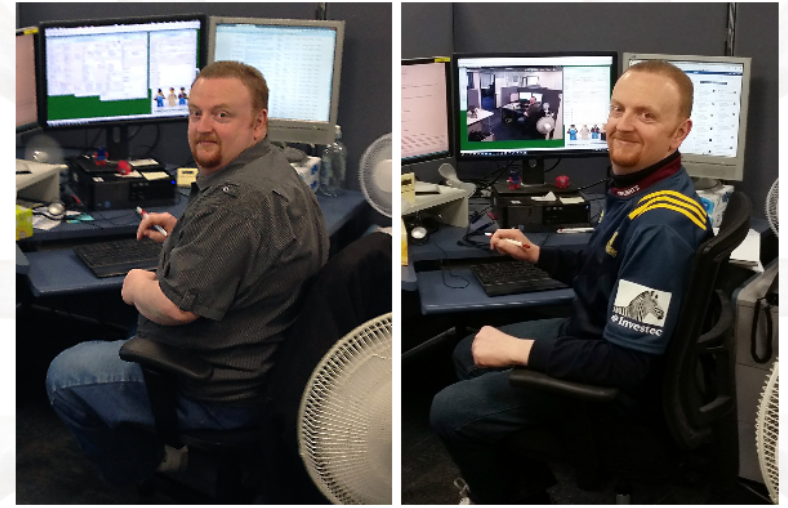
The Fat Ginger Nerd, 10 years on: Before, after, and beyond.

Hi, I’m Brendan, a former broadcaster-turned-software developer currently based in Dunedin, New Zealand.
Most people in my past might once have characterised me as some sort of “fat ginger nerd.” And to be fair, all three of those things used to be true. But it was the first of those three things that was hardest of all to deal with, and in contrast to many who struggle with their weight in later years, I had been struggling with mine ever since childhood.
I was first introduced to dietitians and the healthy food pyramid as a 12-year-old in 1991, which led me to try to eat less. But following mainstream dietary guidelines only made matters worse, leaving me heavier and more hopeless.
At school, PE classes involved activities like running, swimming or gymnastics, all of which had me trying to move more. But the emotional toll of ridicule and shame ran deep. I wasn’t just overweight; I was burdened with the belief that I was broken, lazy, or weak.
For the first 37 years of my life, I was convinced that I was just going to be fat forever, and there was nothing that I or anybody else could ever do about it.
By 2015, at 137kg, I was struggling with chronic pain, mobility issues and breathing issues, and staring down the prospect of an early grave. All of that changed when I first committed to trying a low-carb diet later that year. Within 15 months and against all my expectations, I lost 50kg, regained my health, and gained a whole new outlook on life.
That new outlook led to new travel experiences – both by foot and by air – and eventually to health coaching, as well as writing my book, The Fat Ginger Nerd: A Weight Loss Story, published in 2022. Later that same year, I delivered my first full-length presentation at Low Carb Down Under’s annual conference event (see below), and now, I’m proud to serve as a community ambassador for the Australasian Metabolic Health Society, helping others find the hope I once thought I’d never have.
What finally changed everything for me was understanding and applying the science of carbohydrate restriction. I set myself three rules:
- Eat only when hungry, don’t when I’m not
- Keep carbs as low as possible without sacrificing variety
- Track progress through regular weighing.
This wasn’t about willpower: it was about biology. Lowering carbohydrate intake reduced my insulin levels, helping my body switch from fat storage to fat burning. For the first time I could remember, I wasn’t fighting constant hunger. The results were undeniable: within just over a year, I had shed well over a third of my body weight and, more importantly, regained control of my health and my future.
My past may now be behind me, but the memory remains, all the same. To think that the advice I had trusted for so long had never addressed the metabolic roots of obesity… To have learned that obesity is not a personal failing but just one of several possible expressions of poor metabolic health…
The emotional legacy of this journey for me is, therefore, understandably complex, but essentially boils down to four components:
- Pride in having finally achieved what once seemed impossible.
- Anger at the fact that it took me so long to find a solution that worked.
- Determination to do whatever I can to ensure that no one else grows up as I did.
- And vindication, because my story proves that obesity is not a moral failing but a metabolic condition that can be managed when we apply the right science.
My journey is not just personal; it is a demonstration of what is possible and, in turn, a call to action. With the right tools, knowledge, and support, people can reclaim their health, their dignity, and their hope.